
 JA
JA

PROJECT
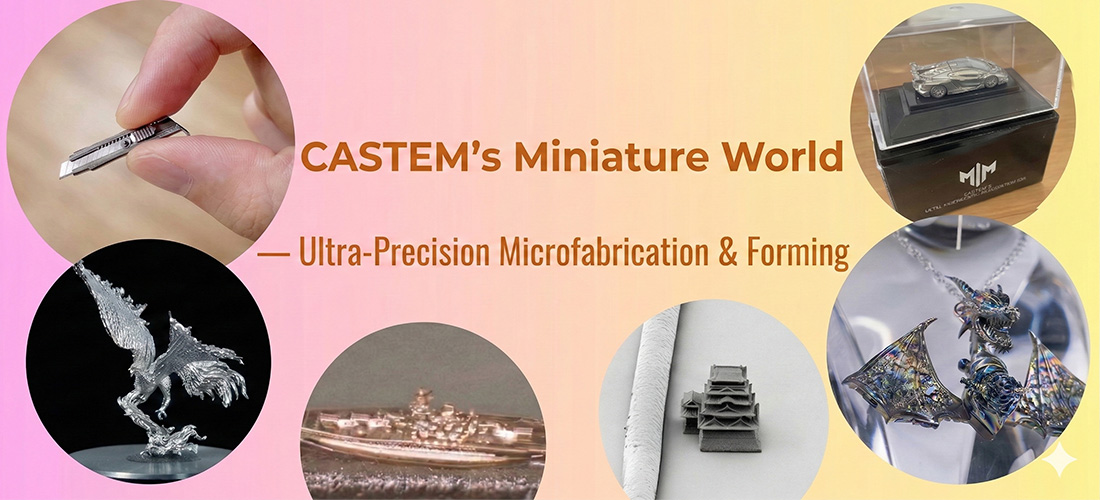
CASTEM is a Japanese manufacturer specializing in micro metal manufacturing, precision metal components, and advanced miniature engineering.
The company develops and produces high-precision parts for industries such as medical devices, electronics, and industrial equipment. In addition to industrial applications, CASTEM also creates unique miniature products that demonstrate the limits of modern manufacturing technology.
By combining multiple advanced processes—including Metal Injection Molding (MIM), ultra-precision micro machining, and nano-scale 3D printing—CASTEM is able to produce extremely complex micro-scale structures.
This page introduces representative projects and technologies that showcase CASTEM’s capabilities in microfabrication, miniature metal engineering, and ultra-precision manufacturing.
Metal Injection Molding (MIM) Miniatures
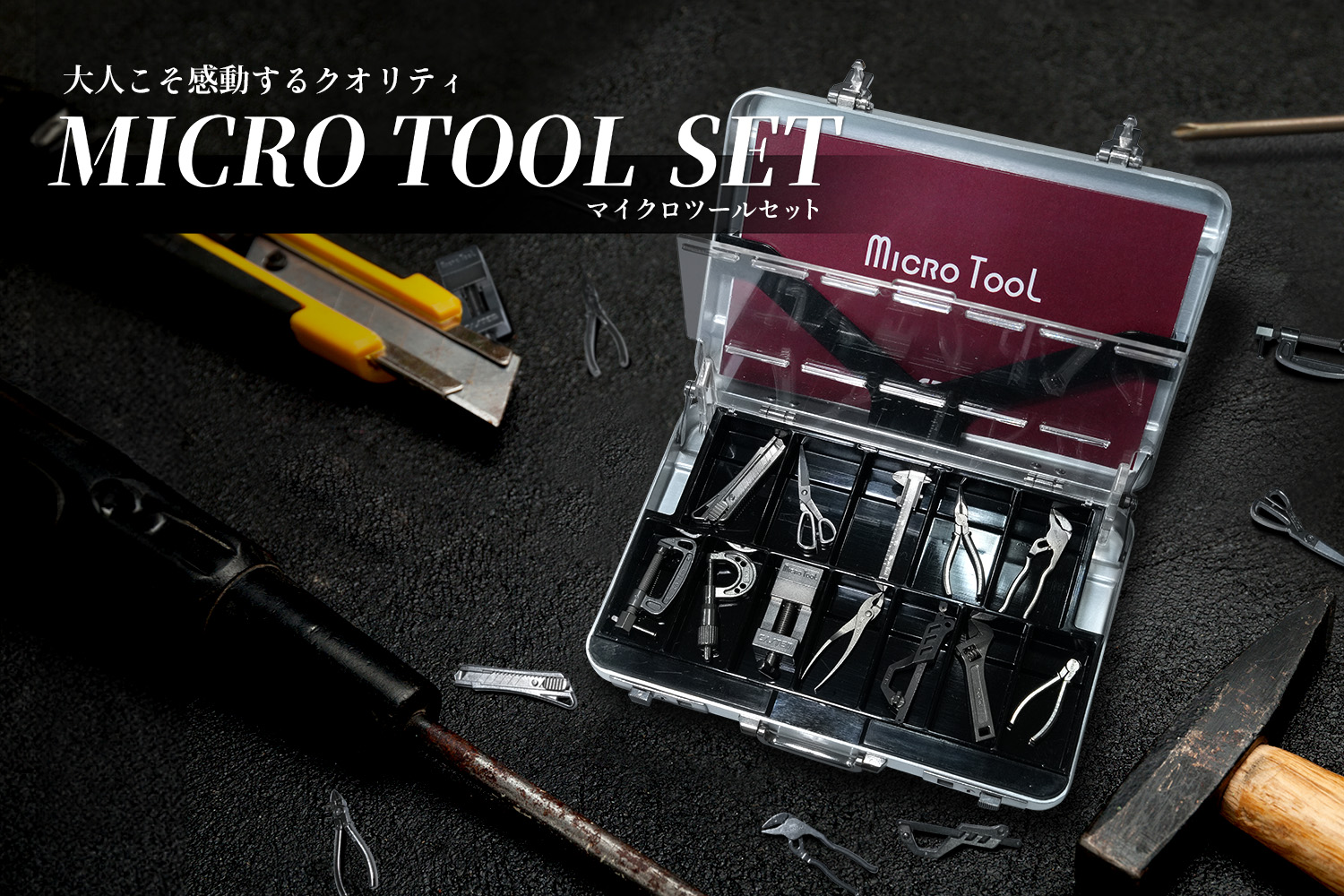
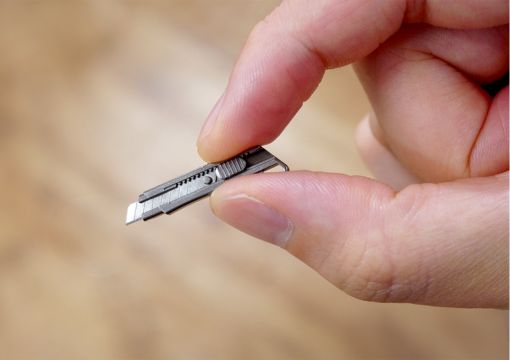
Each miniature tool—such as calipers, machine vises, and nippers—measures approximately 25 mm in length, yet remains fully functional.
The set contains 12 different tools stored in a miniature attaché case, making it both a collectible item and a demonstration of precision metal manufacturing.
The product has gained international attention and has been featured by tool enthusiasts and creators on YouTube in the United States.
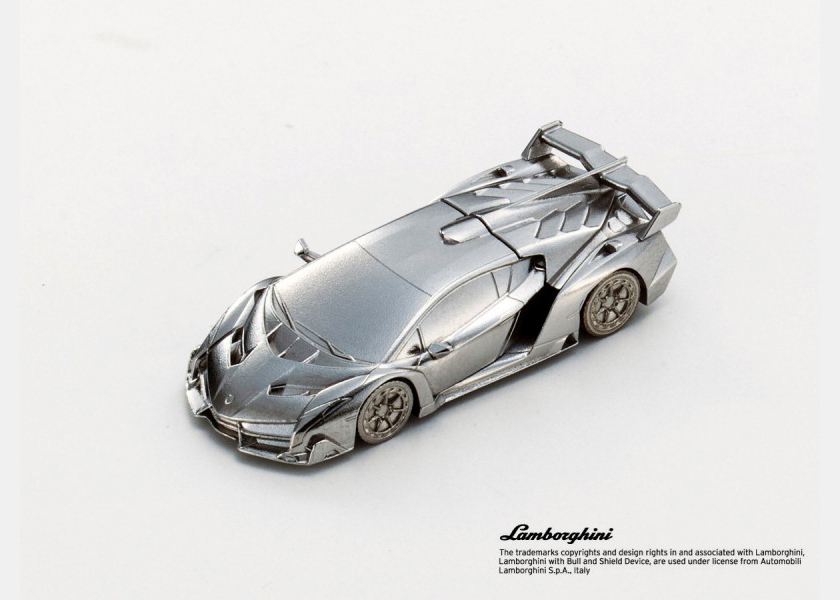
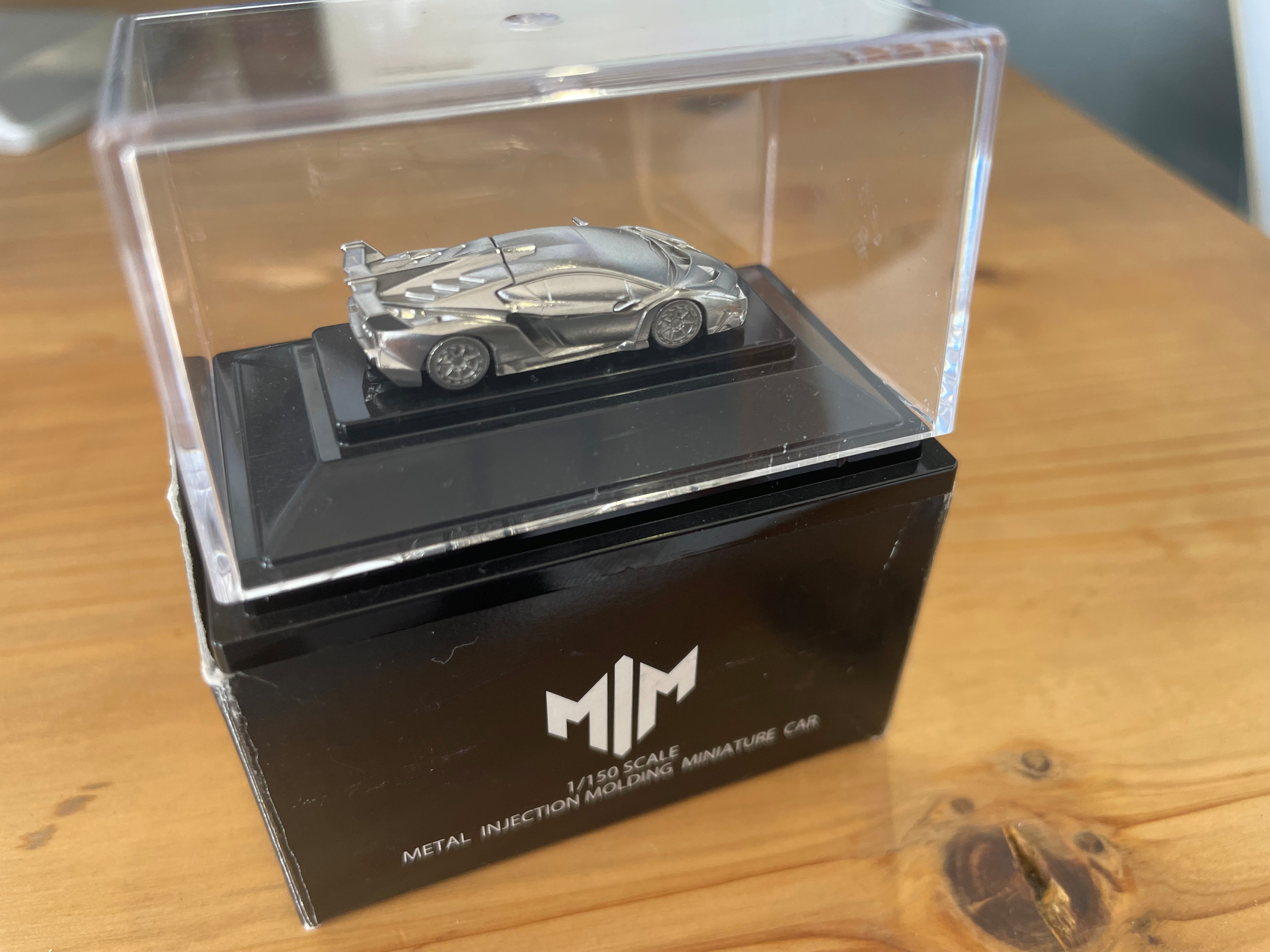
Using the MIM process, CASTEM was able to reproduce intricate design details at 1/150 scale while maintaining high dimensional accuracy.
The model was originally produced as a commemorative item for CASTEM’s 45th anniversary and is displayed in the entrance hall of the company’s headquarters.
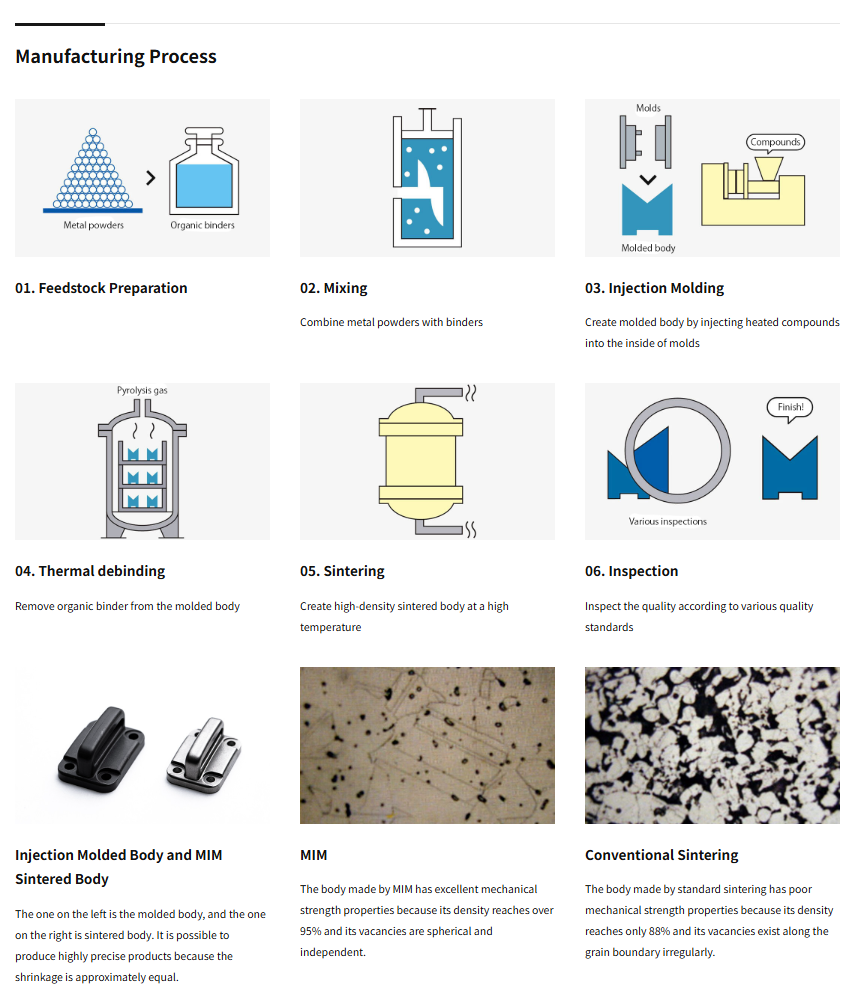
The mixture is injection-molded into a metal mold, after which the binder is removed and the part is sintered to produce a fully metallic component.
CASTEM began developing its own MIM technology early on and pursued independent research without relying on imported technologies. In 1991, the company obtained a U.S. patent for its proprietary process.
MIM is ideal for manufacturing thin-walled parts and complex three-dimensional geometries. Because it enables near-net-shape production, post-processing can be minimized.
Uniform shrinkage during sintering ensures high dimensional accuracy, while the high density achieved after sintering provides excellent mechanical strength.
For these reasons, MIM is widely used for compact, high-precision components in industries such as medical devices and electronics.
https://www.castem.co.jp/technology/mim/
Ultra-Precision Micro Machining
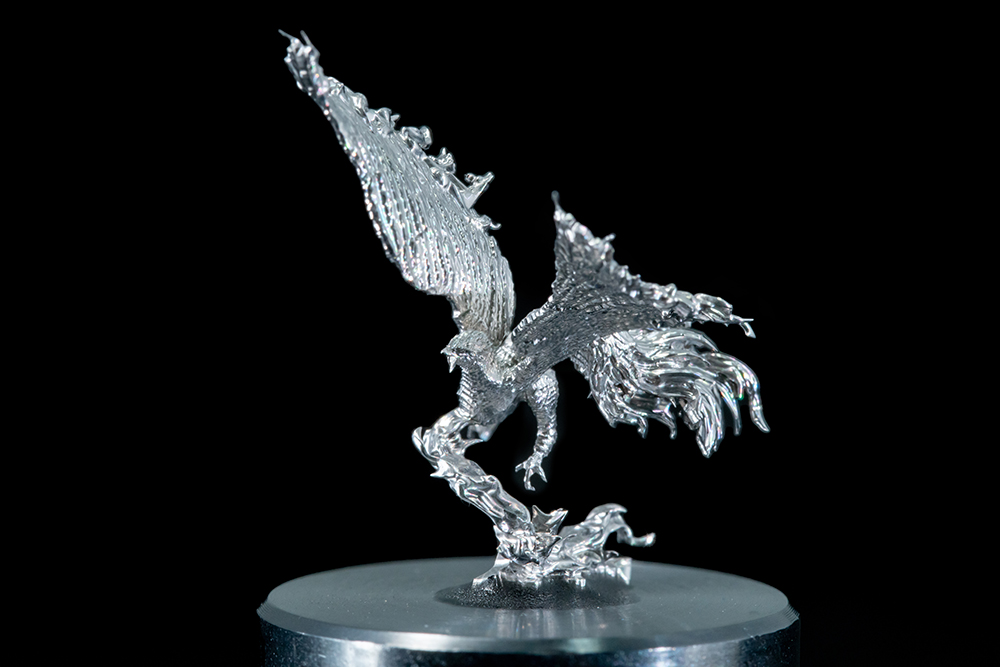
The wings, tail, and blazing flames of the soaring phoenix are expressed with overwhelming power and dynamic movement. The machining process was repeatedly simulated mentally to determine the cutting strategy, while the material was repositioned multiple times during processing.
Even with these orientation changes, machining accuracy was controlled to within 0.002 mm. The entire sculpture is manufactured as a single seamless structure with no joints, completed in just 10 machining processes.
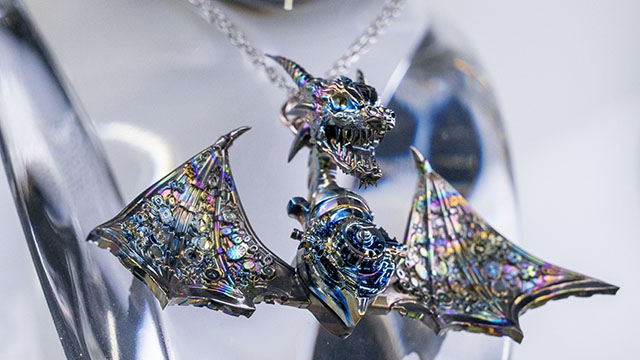
Using advanced micro machining techniques, CASTEM carved intricate mechanical details directly into the material to create a miniature dragon design.
Each dragon measures 25.4 mm in height and 54 mm in width. The body and wings are detachable, allowing the piece to be worn in different styles.
The body, with its sharp fangs and horns, symbolizes strength and power, while the wings—spread wide as if embracing—represent gentleness and protection.
This work won Second Place in the 1-Inch General Category at the Expert Bisai Creators Contest 2024, an international competition showcasing ultra-precision miniature manufacturing.
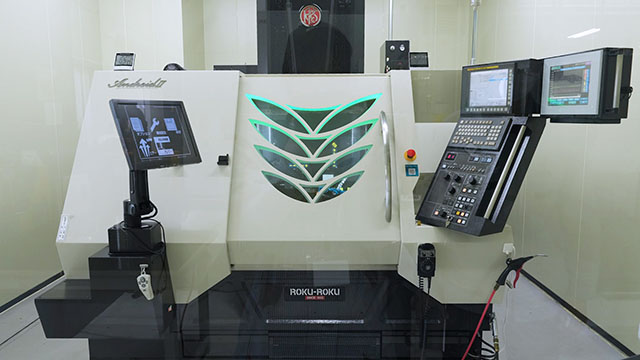
The engineer who created these two works has been certified as a “Machining Artist,” a designation granted by the company to approximately 100 technicians nationwide.
This engineer also holds two Grade-1 national skill certifications, and through the combination of a high-precision machining center and exceptional expertise cultivated through many years of mold manufacturing and machining, is able to create ultra-microscopic works of art.
3D Fabrication Section
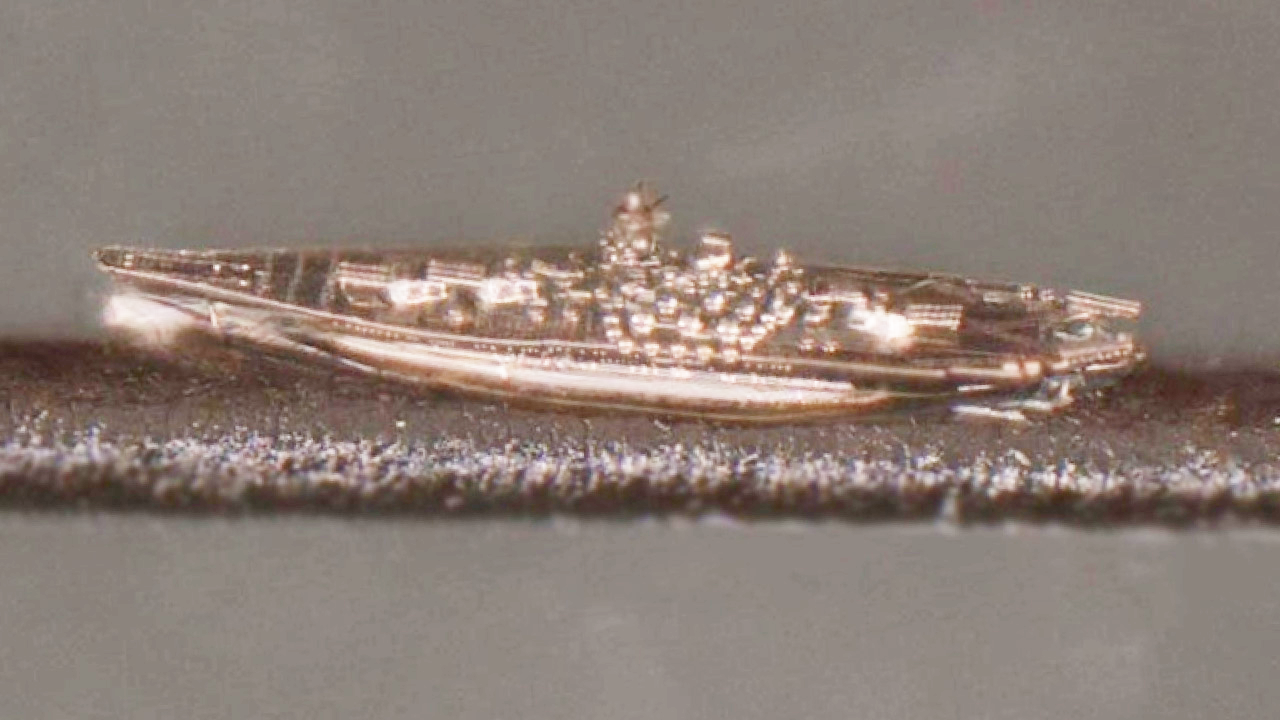
The original battleship Yamato, which measured 263 meters in length, has been reproduced at a total length of 0.5 mm, and the main gun turret measures only about 0.003 mm in diameter.
This model was produced using ultra-fine 3D printing with the world’s highest-precision Nanoscribe 3D photolithography system, and then coated with platinum approximately 40 nm (0.00004 mm) thick.
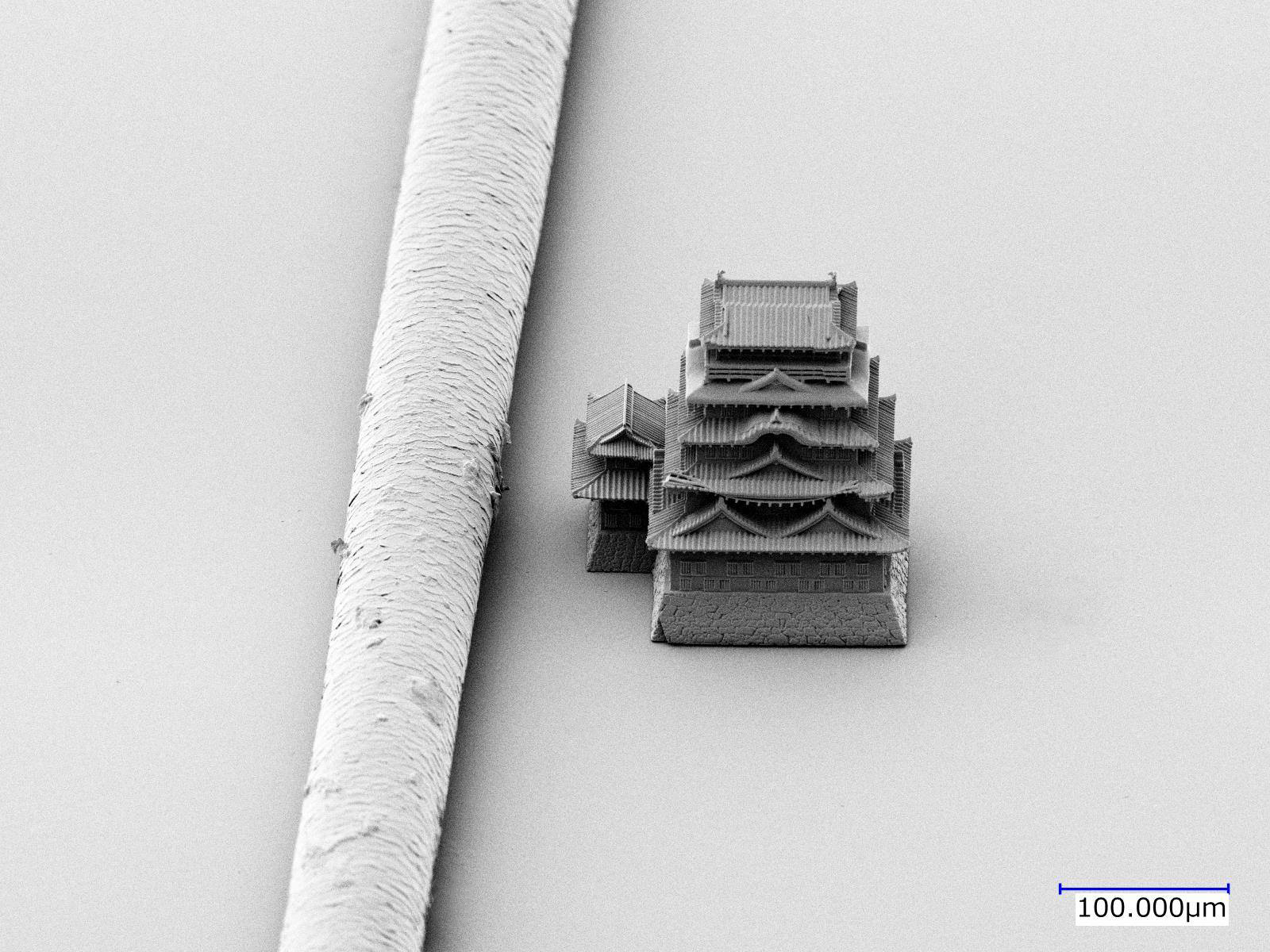
The model measures only 0.2 mm in total length, as shown when compared with a human hair (left).
Even individual roof tiles and stone walls have been reproduced with remarkable precision.

The rose measures approximately 0.5 mm in height and width.
Each ultra-thin petal is delicately expressed and coated with platinum.
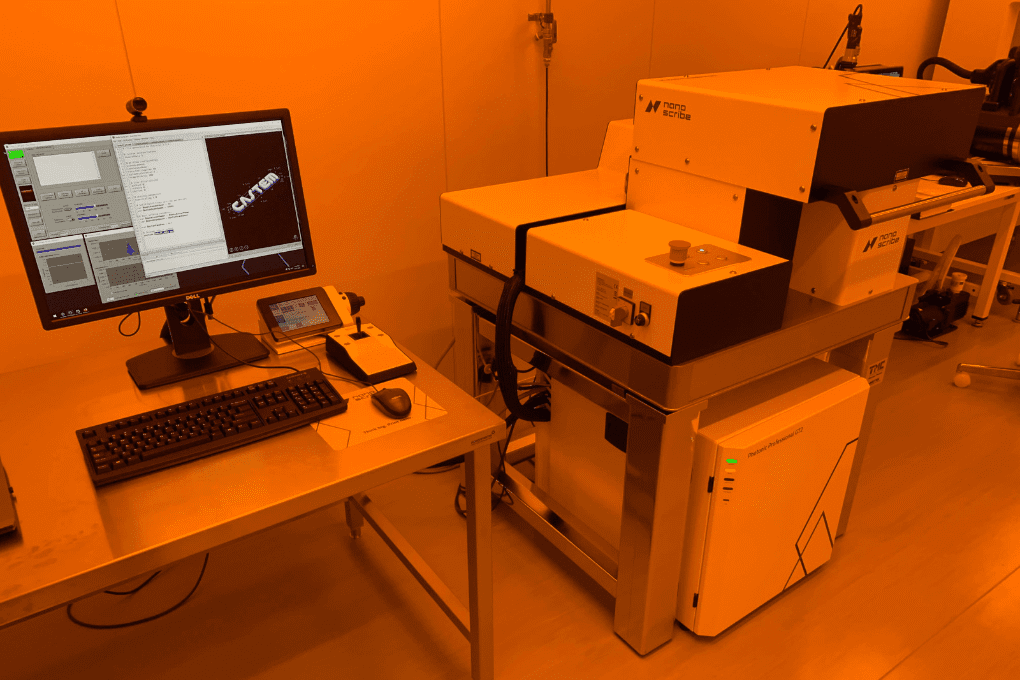
The minimum feature size is 0.2 μm.
By combining two-photon polymerization 3D fabrication technology with IP resin featuring sub-micron resolution, this system enables manufacturing of shapes and precision that were impossible with conventional production methods.
This technology is expected to have applications in a wide range of fields, including:
Mechatronics
Biotechnology
MEMS
Microelectronics
Optics
Medical engineering
For more details, please refer to the technical information page.
▼Learn more about our ultra-fine 3D printing service▼
https://www.castem.co.jp/submicron3dprintinglp/

In addition to our core technologies—lost-wax precision casting and MIM (Metal Injection Molding)—we actively incorporate a variety of new technologies, including:
diverse 3D printing services
CT scanning
mold-less casting Digital Cast
and other advanced manufacturing technologies
With proven craftsmanship and the latest equipment, CASTEM will continue to create small moments of amazement.
If you have any questions or interests, please feel free to contact us through our website.
▼Learn more about MIM▼
https://www.castem.co.jp/en/technology/mim/
▼Learn more about ultra-fine 3D printing▼
https://www.castem.co.jp/en/technology/ultra_3d/
▼Other machining examples▼
https://www.castem.co.jp/works01?category_id=224