
 JA
JA

PROJECT
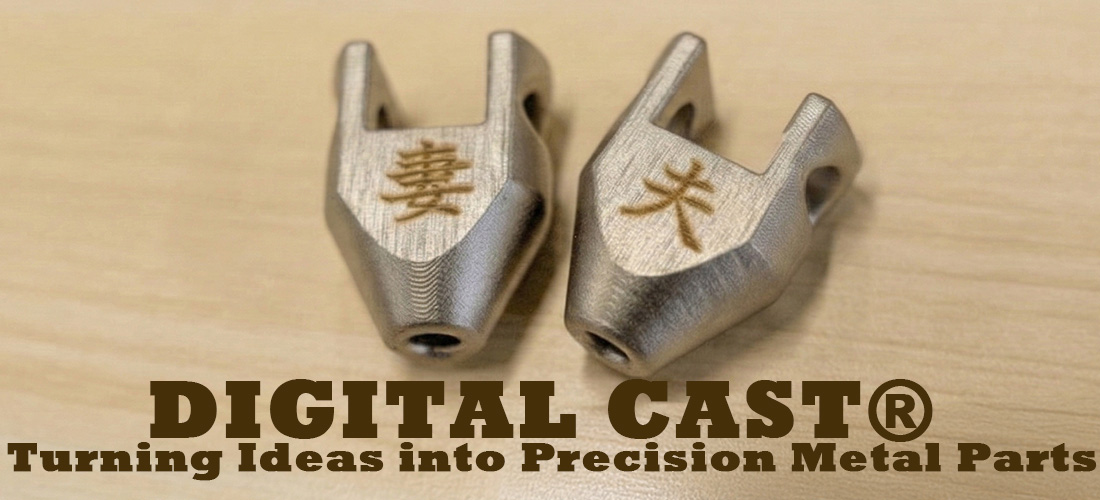
A New Idea Born from a Common Fishing Challenge
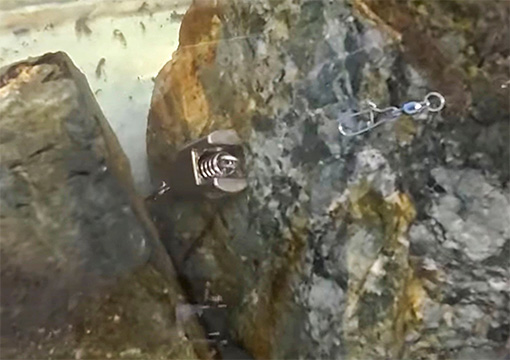
Mr. Masaru Nakama from Soshiki Kaikaku Co., Ltd., who enjoys fishing himself, was troubled by this very issue. Wanting to solve the problem, he began developing a new type of fishing gear. His idea was to create a rig that could be retrieved even after getting snagged.
Although the concept came to him quickly, he soon encountered a major obstacle. The prototype needed to be made of metal, but he did not know which company he could consult for such manufacturing support.
Encounter with CASTEM
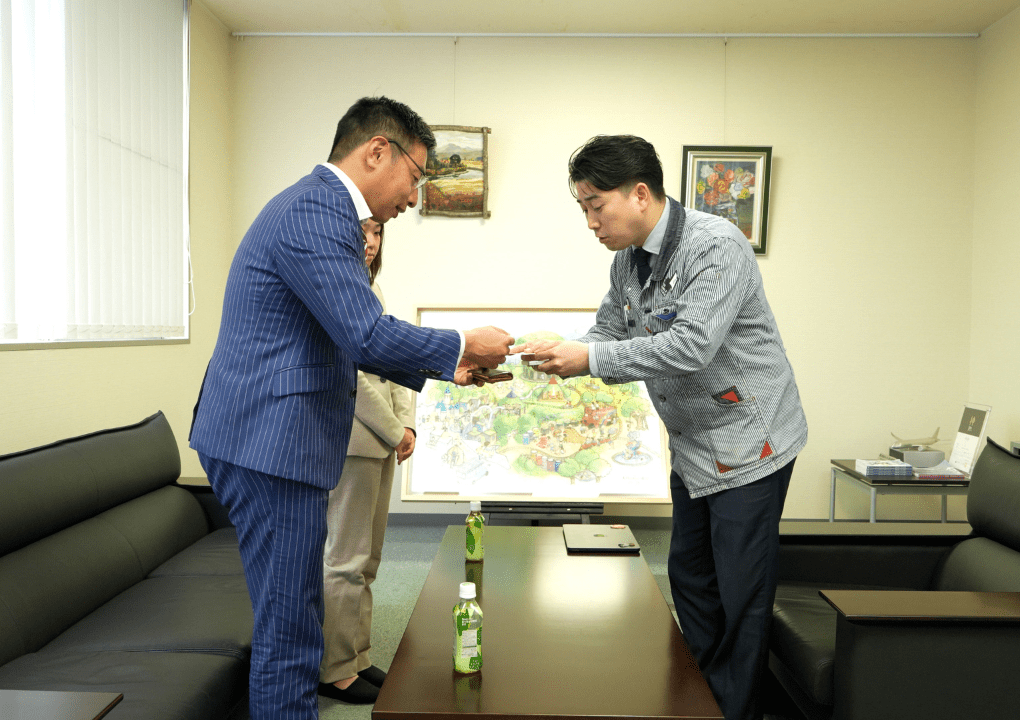
However, roughly one-third never responded, and only another one-third provided quotations. Most companies simply asked him to submit detailed design drawings, and very few offered technical advice or support during the development stage.
At that point, it was his wife who introduced him to CASTEM Co., Ltd..
Interestingly, she had once applied for a job at CASTEM. Although she was not hired, she had a positive impression of the company’s atmosphere and the way she had been treated during the process. Remembering that experience, she suggested that CASTEM might be willing to listen carefully to his ideas.
That suggestion became the starting point of their collaboration.
Prototype Development Using Digital Cast
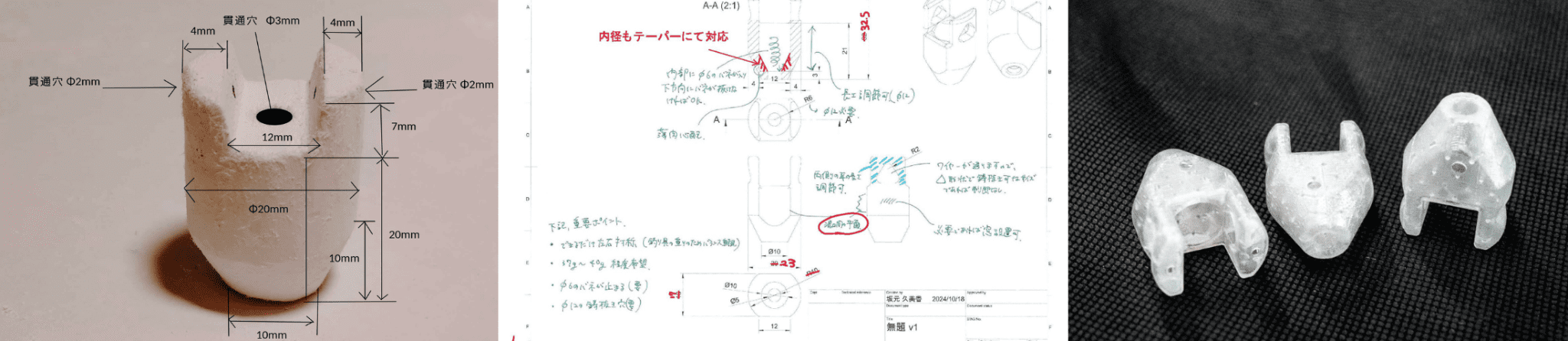
Before contacting CASTEM, Mr. Nakama had no experience with CAD design. To communicate his idea, he modeled the shape using paper clay.
Based on this handmade sample, CASTEM’s sales engineer created a design suitable for metal manufacturing and generated a 3D model. Mr. Nakama and CASTEM’s engineers then worked together to refine the details and optimize the shape.
During the prototyping process, several improvements were made:
Structural changes to maintain strength while reducing weight
Design optimization through flow analysis considering casting characteristics
Design improvements to reduce secondary processes such as drilling
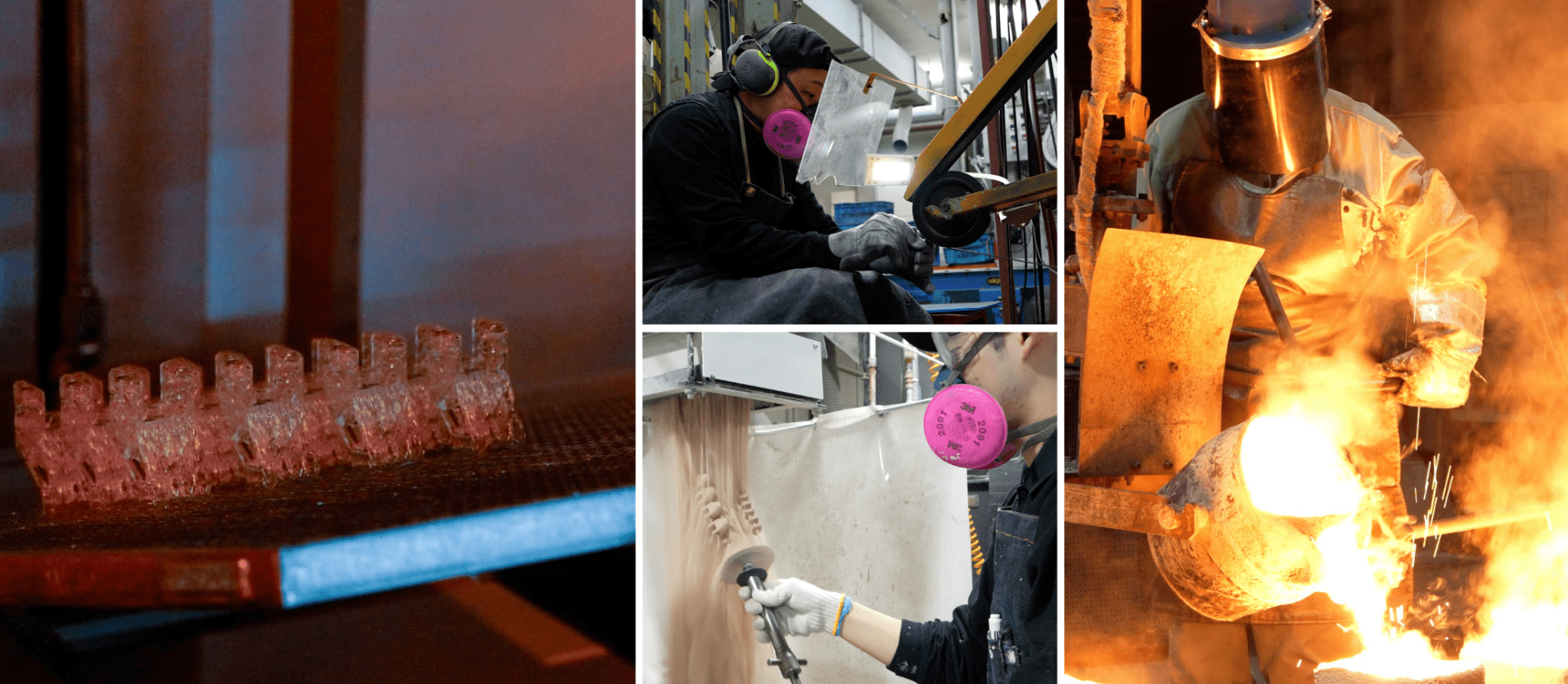
Normally, producing prototypes with the lost-wax precision casting process requires manufacturing a mold, which can take several months and involve significant costs.
However, by utilizing CASTEM’s Digital Cast technology, prototypes can be produced quickly and without molds, enabling rapid development while keeping costs under control.
Interestingly, although CASTEM’s prototype price was the highest among the companies he contacted, Mr. Nakama ultimately chose CASTEM.
The reason was simple: they truly listened to him.
For someone with no prior experience in metal manufacturing and who was navigating the development process through trial and error, CASTEM’s willingness to study a design based only on a clay model left a strong impression.
Another deciding factor was CASTEM’s integrated production capability, which allows the company to support the entire process from prototyping to mass production while offering technical proposals with future production in mind.
Why CASTEM Was Chosen
The following factors played a key role in CASTEM being selected as the development partner.
Key Points for Selection 01
Proactive Technical Proposals
Not only accepting the client’s requests, but proposing improvements to create a better product
Providing design optimizations that contribute to cost reduction and quality improvement
Key Points for Selection 02
Rapid Prototyping with Digital Cast Technology
Delivering metal prototypes in a short period without mold production, which normally takes several months
Using a casting method suitable for both prototyping and future mass production, enabling smooth transition to production
Key Points for Selection 03
Integrated Support from Prototype to Mass Production
Mold manufacturing and process design for mass production
Total support from development to large-scale manufacturing
Key Points for Selection 04
Fast Response and Flexible Communication
Among more than 15 companies contacted, CASTEM responded particularly quickly and arranged detailed discussions soon after the inquiry
While other companies simply requested design drawings, CASTEM asked:“What problem are you trying to solve?”
Their collaborative attitude in refining the product together built strong trust
The Path to Mass Production
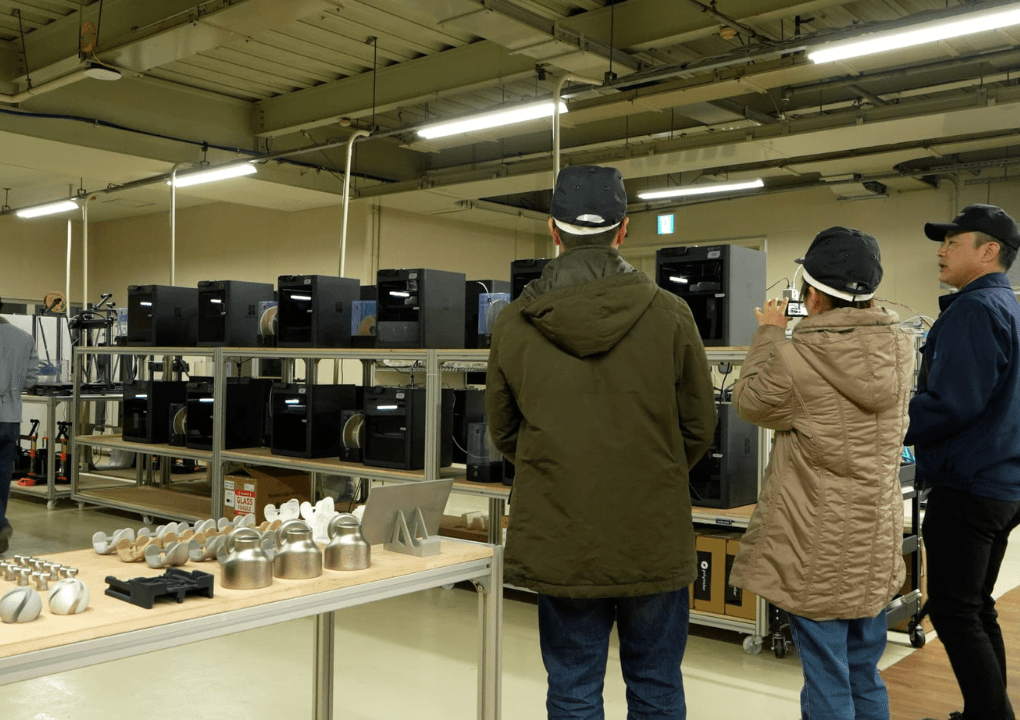
In addition to online sales, distribution through fishing tackle shops is also being considered. The product has already attracted strong interest from professional anglers.
Furthermore, as product improvements continue, new ideas have emerged, raising expectations for future product variations.
The Possibilities Created by DIGITAL CAST®
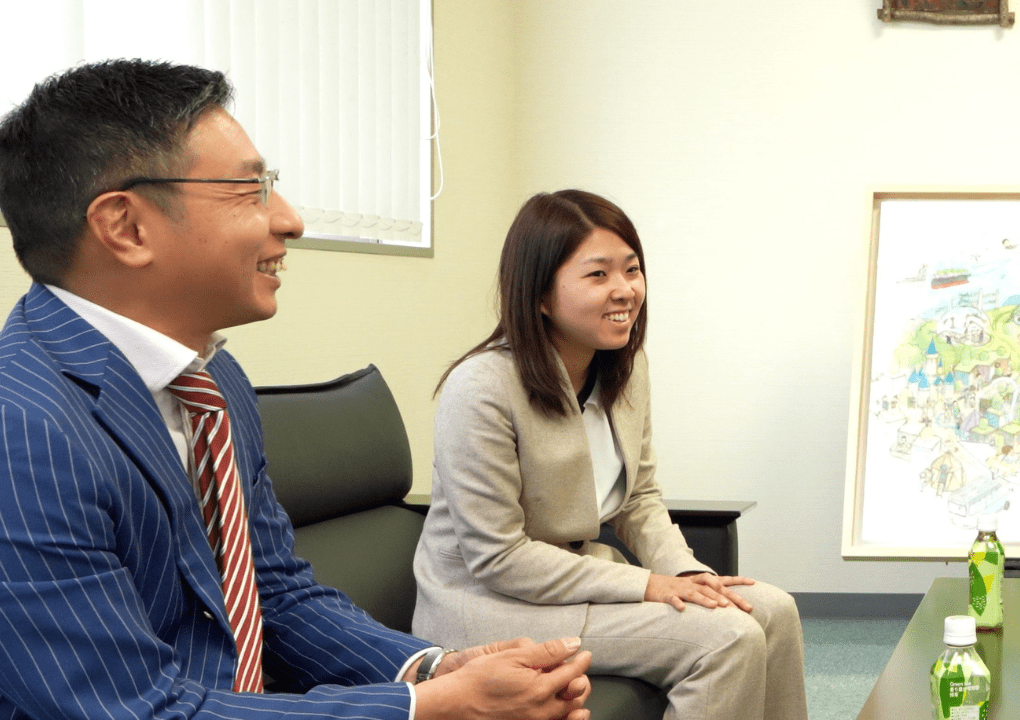
CASTEM aims to be more than just a manufacturing contractor. Guided by the philosophy of becoming the best possible partner for its customers, the company supports the realization of ideas with full commitment.
Mr. Nakama also commented:
“I want more people to know that you can create things even if you don’t have prior knowledge.”
Digital Cast technology opens new possibilities not only for manufacturers but also for people who have never been involved in manufacturing before.
Learn more about CASTEM’s Digital Cast technology:
https://castem-digitalcast.com/