
 JA
JA

PROJECT
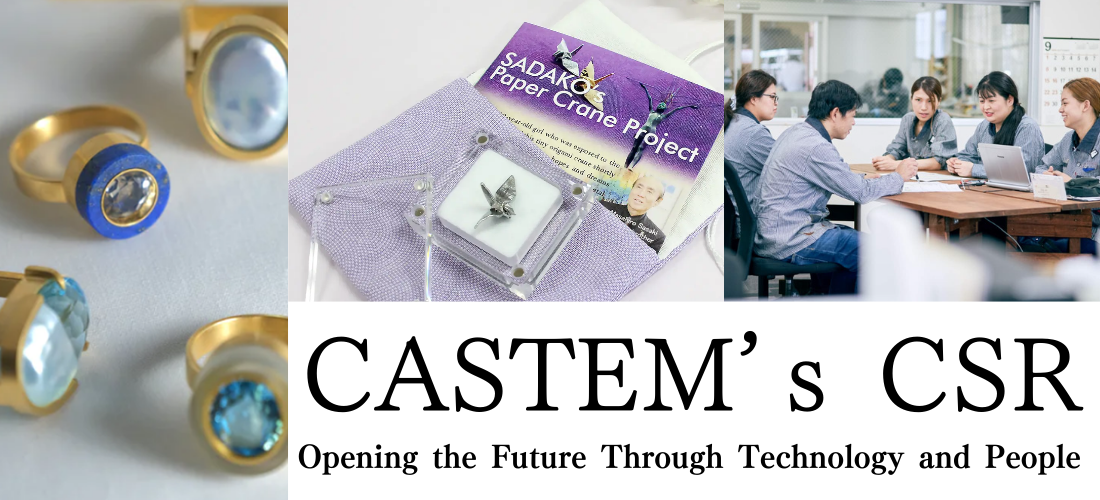
Are you familiar with the term “CSR”?
CSR stands for Corporate Social Responsibility and refers to the roles and responsibilities that companies are expected to fulfill toward society. At CASTEM, we continue to engage in initiatives that contribute to a better society by leveraging the diverse technologies we have cultivated over many years in metal parts manufacturing, along with ongoing organizational innovation.
Here, we introduce CASTEM’s unique CSR activities, including initiatives that utilize technology to promote peace, human resource development, and solutions to regional challenges, as well as efforts to create a workplace where everyone can work with peace of mind, centered on the promotion of women’s empowerment.
CSR Through Technology
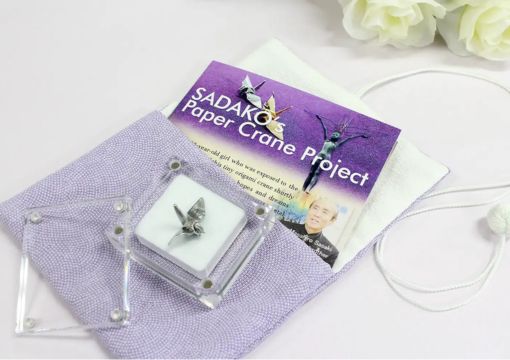
At CASTEM, we launched a project to preserve the last paper crane folded by Sadako during her lifetime by transforming it into metal using our precision casting technology, so that it may be passed on to future generations as a symbol of the wish for peace.

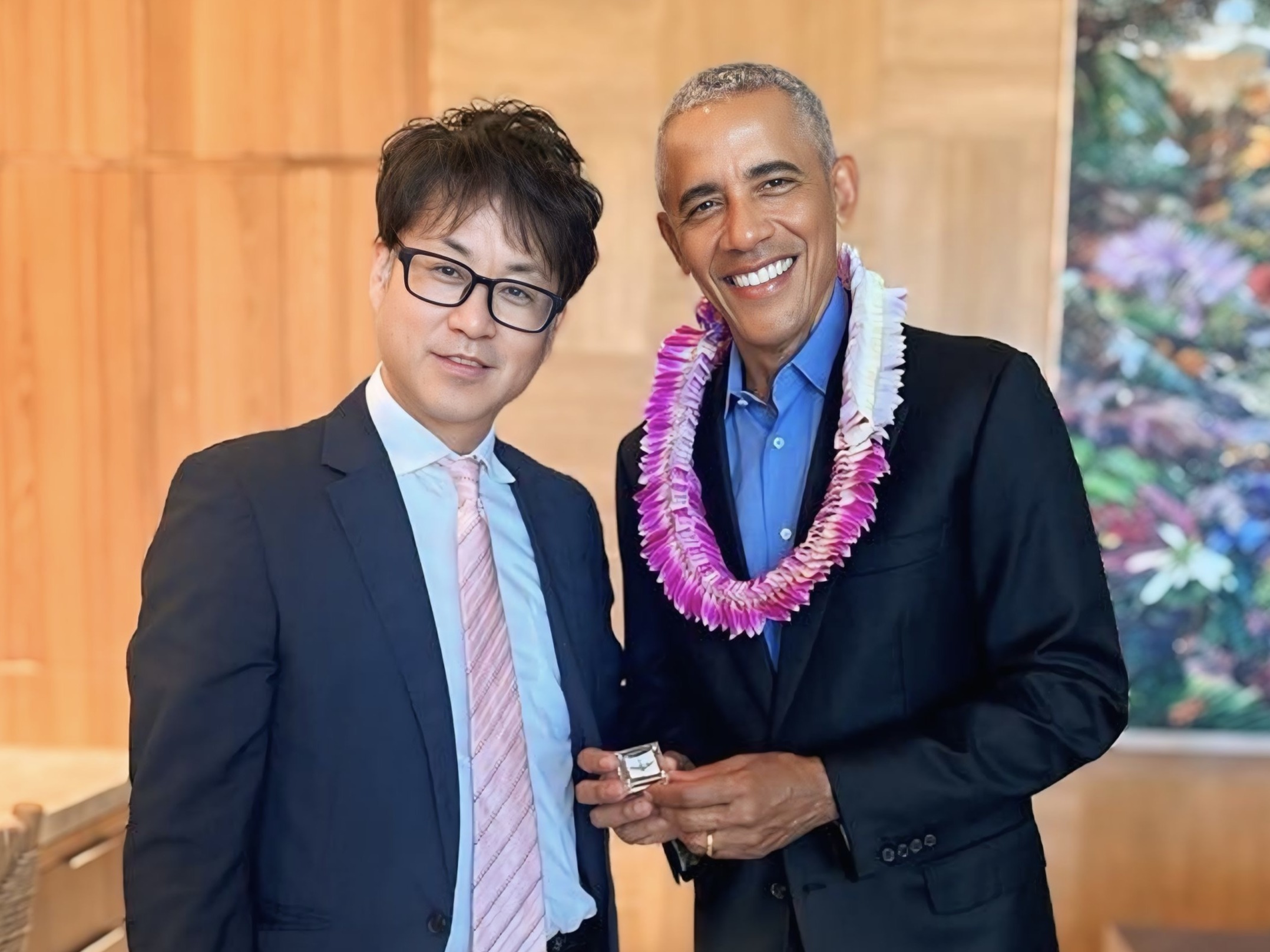
“SADAKO” is available at the Hiroshima Peace Memorial Museum, Orizuru Tower, CASTEM’s directly operated store “metamate” in Nihonbashi, Tokyo, and through our online shop.
https://www.ironfactory-castem.com/
A portion of the proceeds is donated to the nonprofit organization SADAKO LEGACY.


At New Jewelry TOKYO 2024, one of Japan’s largest designer jewelry events, the brand received both the Best Jewelry Award and the Audience Award. In the 2025 event, KOHKOH participated in a project aimed at forest conservation in Borneo, further strengthening recognition as an SDGs-conscious brand.
https://store.kohkoh-jewelry.com/
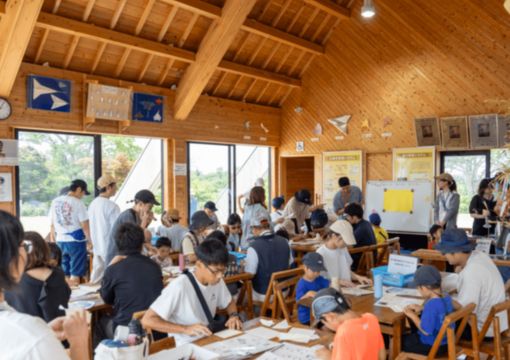
• Next-Generation Education Through the Paper Airplane Program
CASTEM President Takuo Toda holds the Guinness World Record for the longest paper airplane flight time (29.2 seconds). Leveraging this expertise and experience, CASTEM promotes next-generation education through paper airplanes.
We operate and manage the Paper Airplane Museum in Fukuyama City, which displays many of President Toda’s original paper airplanes, as well as the Toyomatsu Paper Airplane Tower in Jinsekikogen Town, built specifically for flying paper airplanes. Through workshops, events, and competitions, we provide opportunities for children to experience the principles of aeronautical science and the joy of taking on challenges, thereby nurturing the seeds of future engineers.
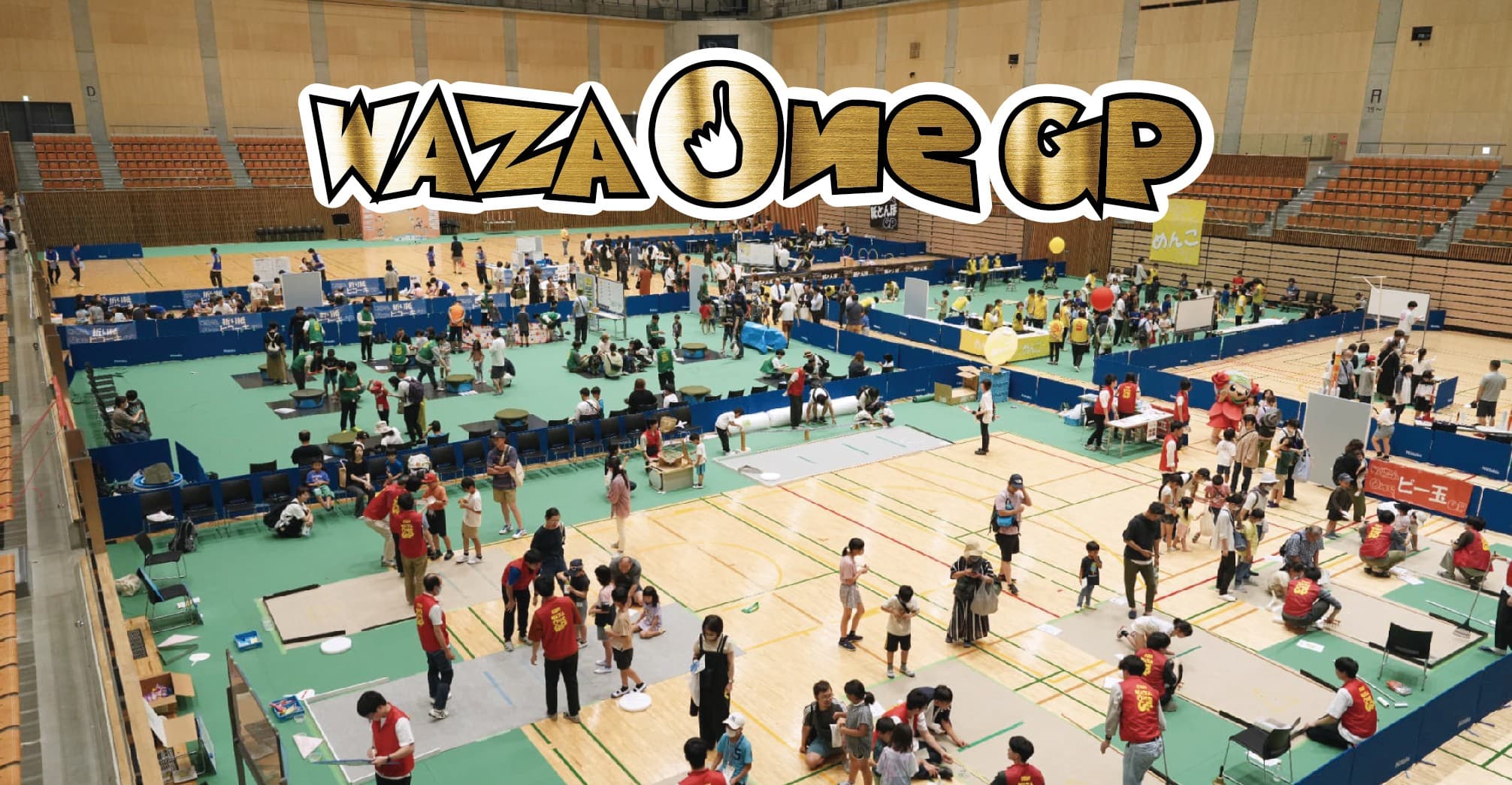
The Waza-One Grand Prix is a festival of traditional children’s games where champions are determined through competitions in paper airplanes, spinning tops, menko cards, marbles, and paper dragonflies. Since 2008, manufacturing and technology companies in the Bingo region, including CASTEM, have led this initiative to foster the next generation of energetic talent. Although temporarily suspended during the COVID-19 pandemic, the event has been held annually and marked its 15th edition this year.
At a time when digital entertainment such as video games and smartphones is widespread, the event encourages elementary school children and younger to devise their own strategies and compete using their hands. Through this experience, we aim to cultivate the “spirit of ingenuity” and the “discipline of refining skills,” both essential to manufacturing.
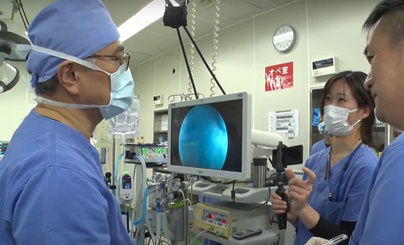
In addition, by utilizing idle land and regional resources, we are developing agribusiness initiatives aimed at supporting local agriculture and creating employment. We cultivate strawberries in Jinsekikogen Town, Hiroshima Prefecture, and cherry tomatoes in Miyakojima City, Okinawa Prefecture, while exploring new agricultural models that incorporate IoT technologies. These efforts are being advanced as part of a CSR-oriented business contributing to regional revitalization.
Promotion of Women and Young Talent — Creating a Workplace Where Everyone Can Thrive
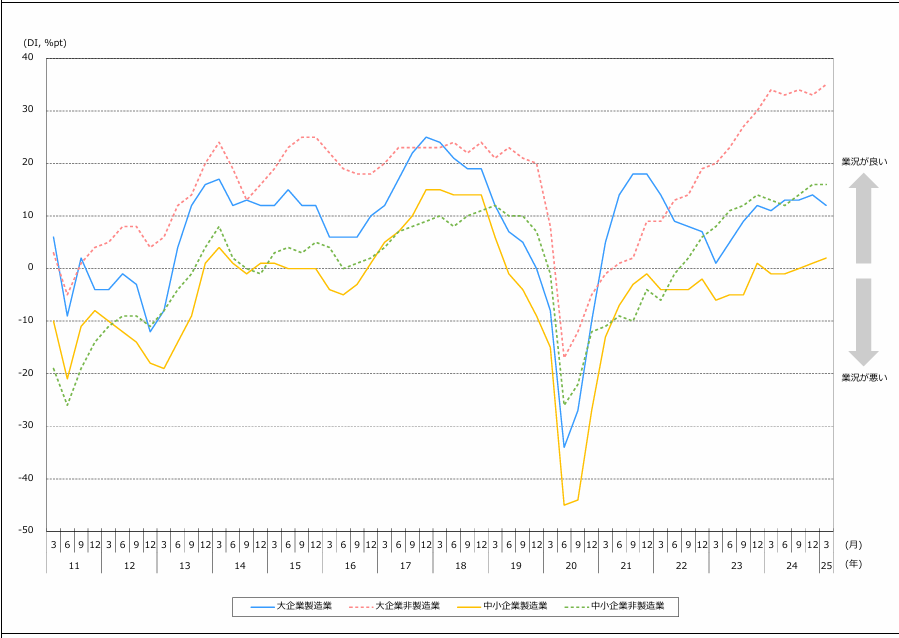
Approximately 60% of businesses cite labor shortages as a factor affecting their operating environment, following the rising costs of raw materials and energy. In addition, the succession of manufacturing skills—often described as the heart of the industry—remains a major issue.
More than 60% of establishments report a shortage of personnel capable of providing training and development. Furthermore, the difficulty of ensuring flexible work arrangements due to production scheduling is also cited as a factor contributing to employee turnover and labor shortages.
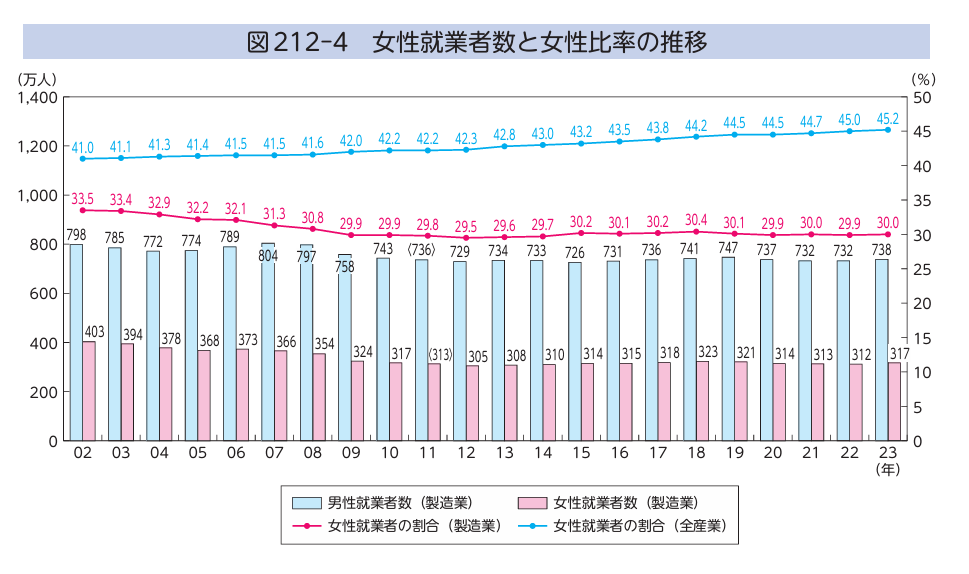
Background factors include:
・Heavy workload such as handling of heavy materials
・Lack of female role models in management
・Facility and work environment challenges
・Limited shift flexibility
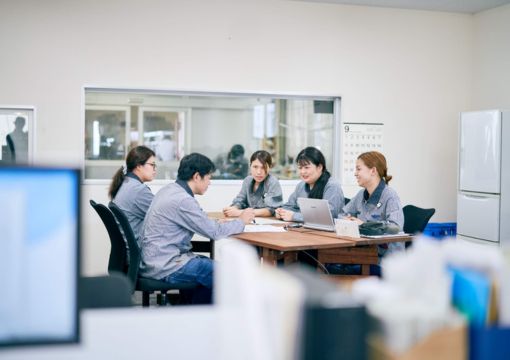
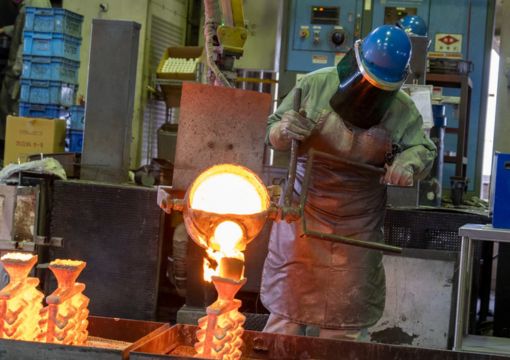
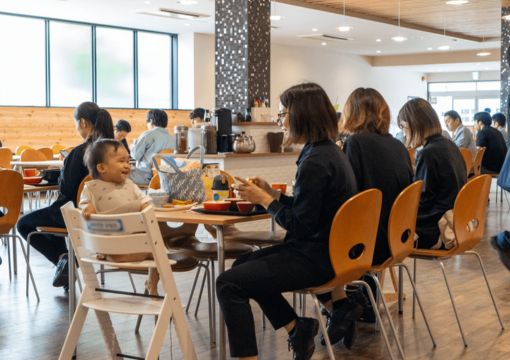
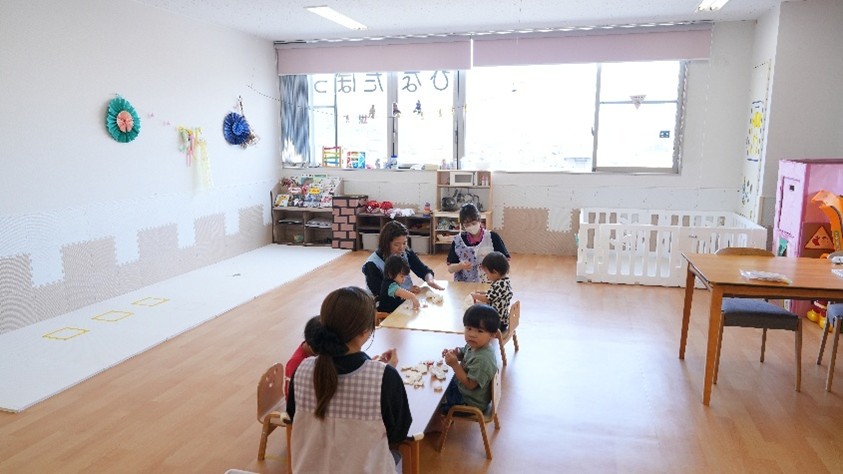
For example, under the shortened working hours system, employees can select their start and end times based on individual circumstances. When returning from maternity or childcare leave, we conduct pre-return interviews and adjust job assignments. An on-site childcare center for children aged 0–2 is also available to support working parents.
In addition, paid leave can be taken in two-hour units, and unused leave can be accumulated indefinitely, providing security for long-term medical care or family caregiving needs.
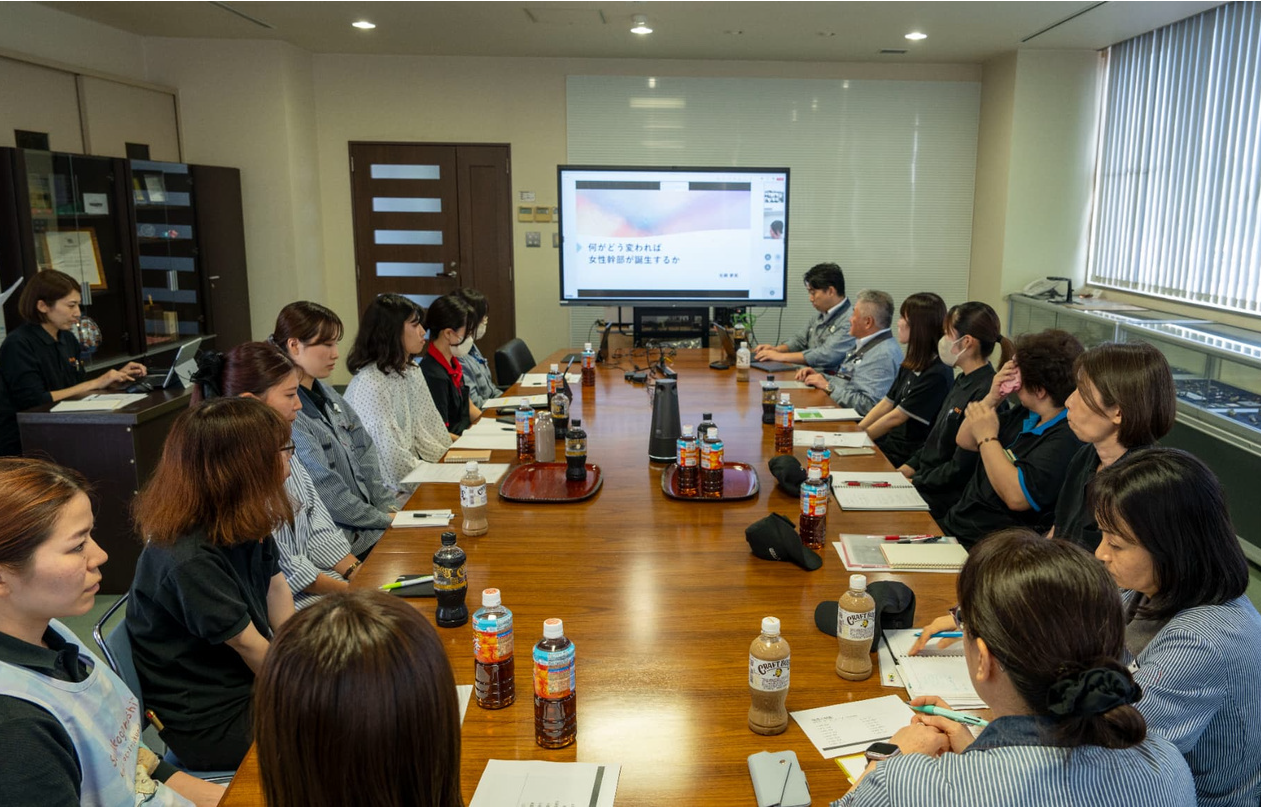
・Women’s Council and Age-Based Councils
The Women’s Council is a unique CASTEM forum where employees can directly present their opinions to top management, including the President and Executive Vice President. Women from across departments and age groups gather to openly discuss working styles and system improvements. Similar opportunities are provided through regular age-based councils.
・Promotion of Female and Young Leaders
We provide opportunities such as OJT, role assignments, and project participation so that women can play active roles as improvement leaders and managers. We also conduct management training, external seminars, and leadership education for young and mid-career employees to develop the next generation of management talent.
・Qualification and Learning Support
The company continuously supports the costs of acquiring professional qualifications, quality control certifications, and skills testing necessary for work, thereby establishing systems that contribute to career development.
By creating a workplace model where diverse talent can thrive and everyone can work with confidence and advance their careers, we aim to generate positive ripple effects that help alleviate labor shortages across the manufacturing industry.
Guided by our corporate philosophy of being “Half a Step Ahead,” CASTEM will continue contributing to society through technological and organizational innovation.