
 JA
JA

PROJECT
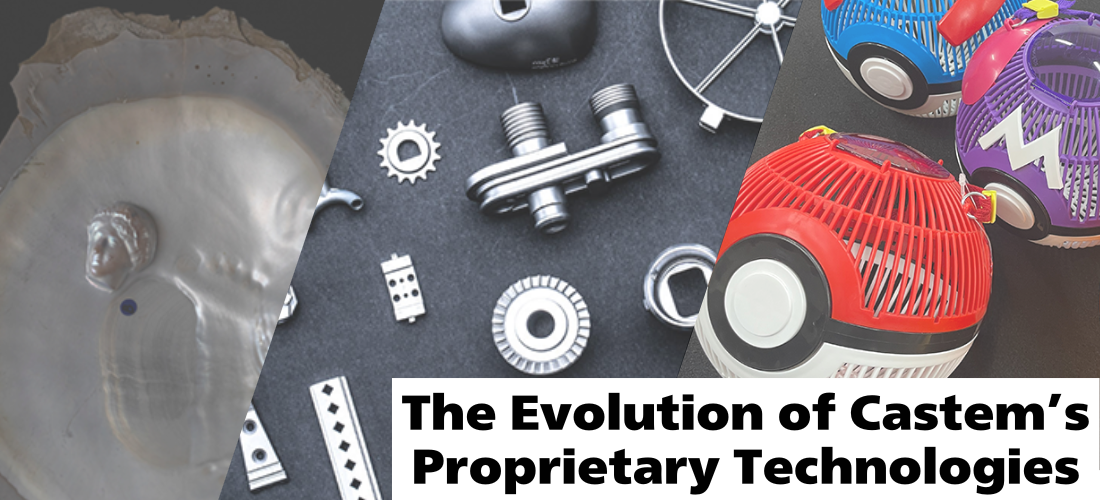
With a constant drive to stay “half a step ahead,” we continue to refine our technologies and incorporate new knowledge.
In addition to our core lost-wax precision casting, we have established next-generation manufacturing methods such as MIM (Metal Injection Molding) and “Digital Cast,” an innovative casting technology that integrates 3D printing with traditional casting processes.
Expanding our creativity beyond metal, we have also transformed unprecedented ideas into reality—ranging from spherical plastic insect cages to pearls formed in freely designed shapes.
In this feature, we present a selection of Castem’s innovative history and diverse patented technologies. (Years in parentheses indicate the year of registration.)
The Origin of Castem’s Technological Independence: U.S. Patent for MIM (Metal Injection Molding) (1991)
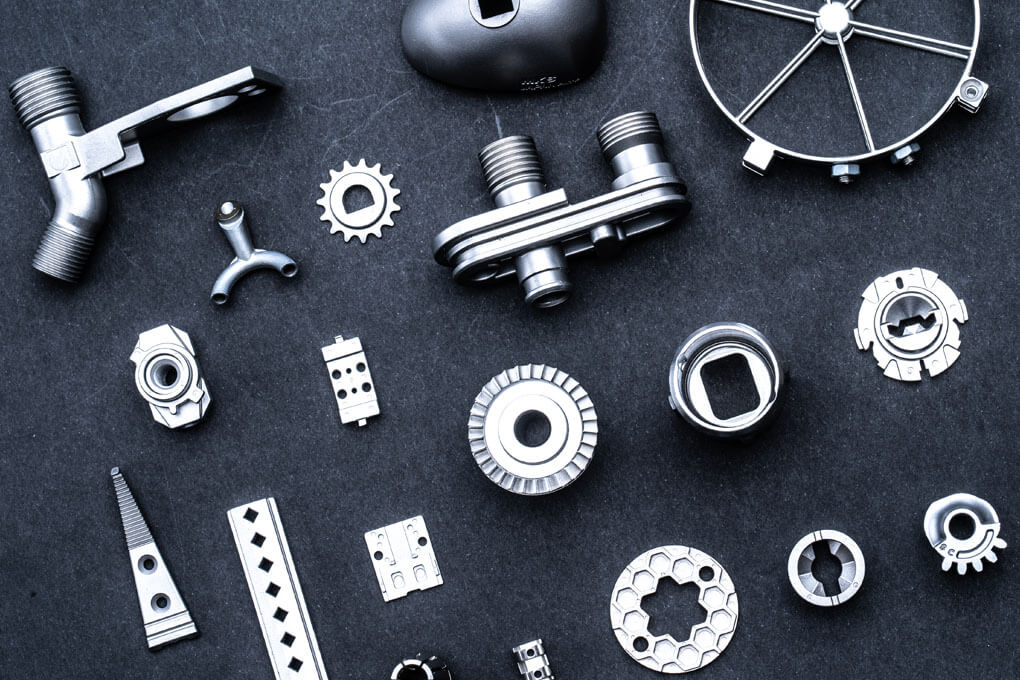
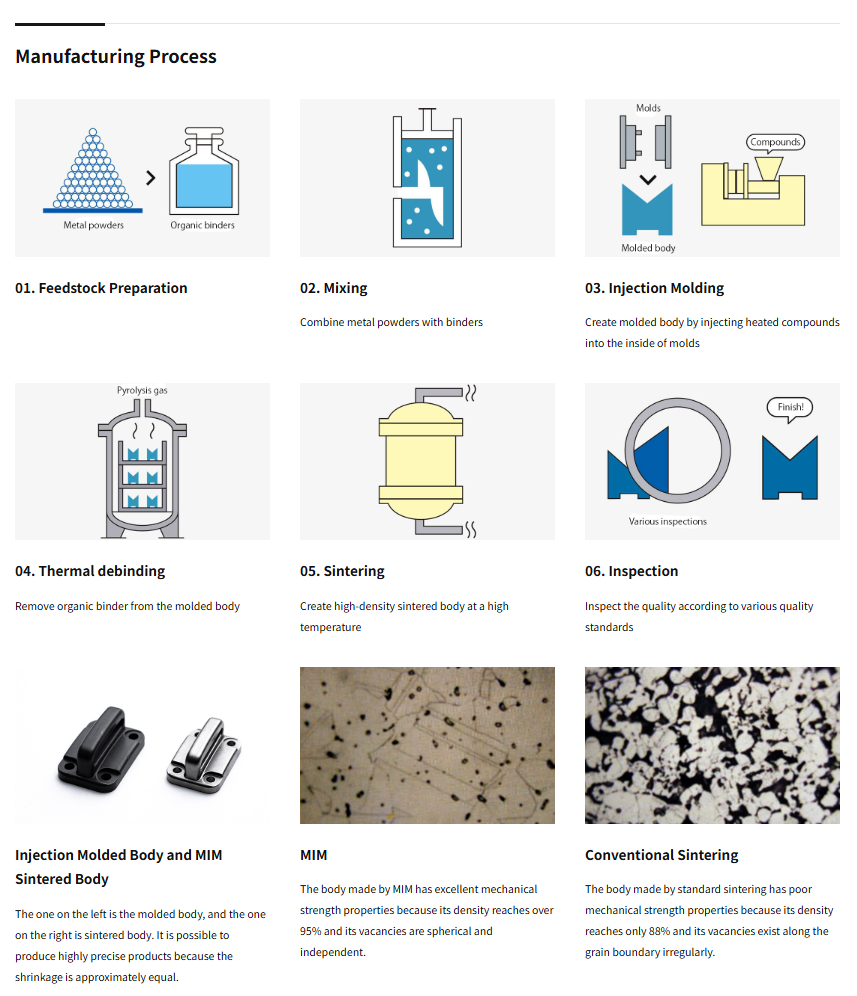
MIM excels at forming fine, complex three-dimensional shapes and produces metal parts with superior mechanical strength and surface accuracy compared to conventional sintered products. It accommodates various metals such as iron, stainless steel, and titanium, enabling even small bolts and gears to be manufactured without machining. The technology is utilized in fields requiring micro-scale, high-precision components, including medical and aerospace industries.
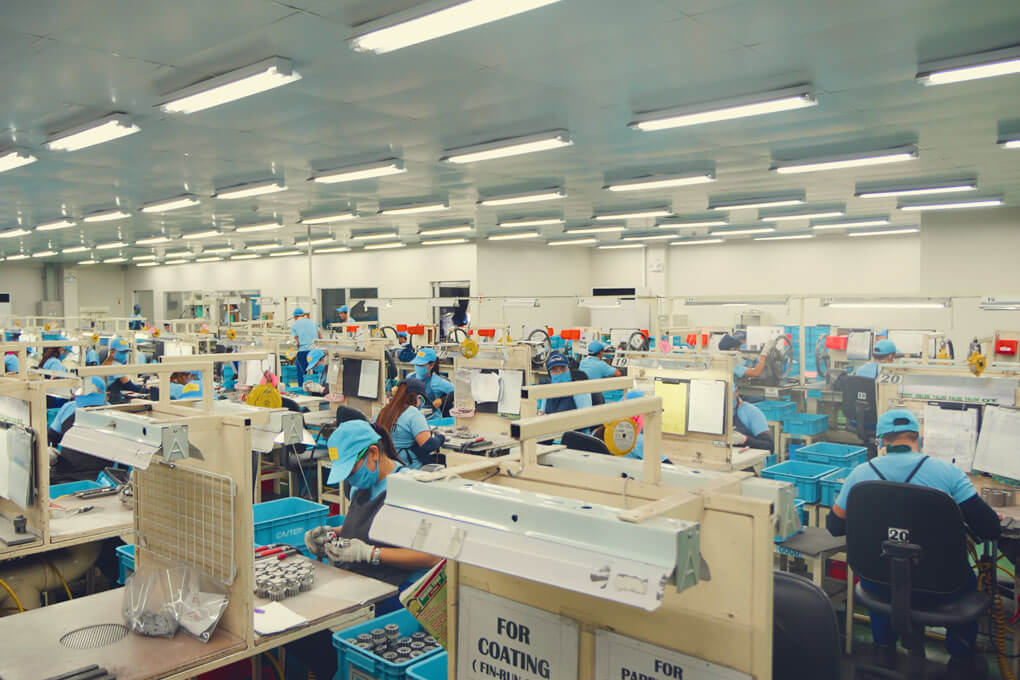
In 1990, Castem completed its own MIM production line within its factory. However, concerns over patent rights made potential clients hesitant. In response, the company made the bold decision to acquire its own U.S. patent—and successfully did so the following year.
This milestone symbolized Castem’s technological independence.
Realizing 3D Printing × Lost-Wax Precision Casting: Mold-Free Casting “Digital Cast” Process (2020)
This technology prevents mold cracking caused by expansion during firing and enables the production of metal parts with smooth surfaces without the use of metal molds.
This method was employed in the early stages of introducing “Digital Cast,” which produces metal components using a 3D-printed model through a process similar to lost-wax precision casting. Although improvements have since led to the use of different materials in actual production, this patent represents one of the many cases in which Castem achieved innovation through repeated experimentation and refinement.
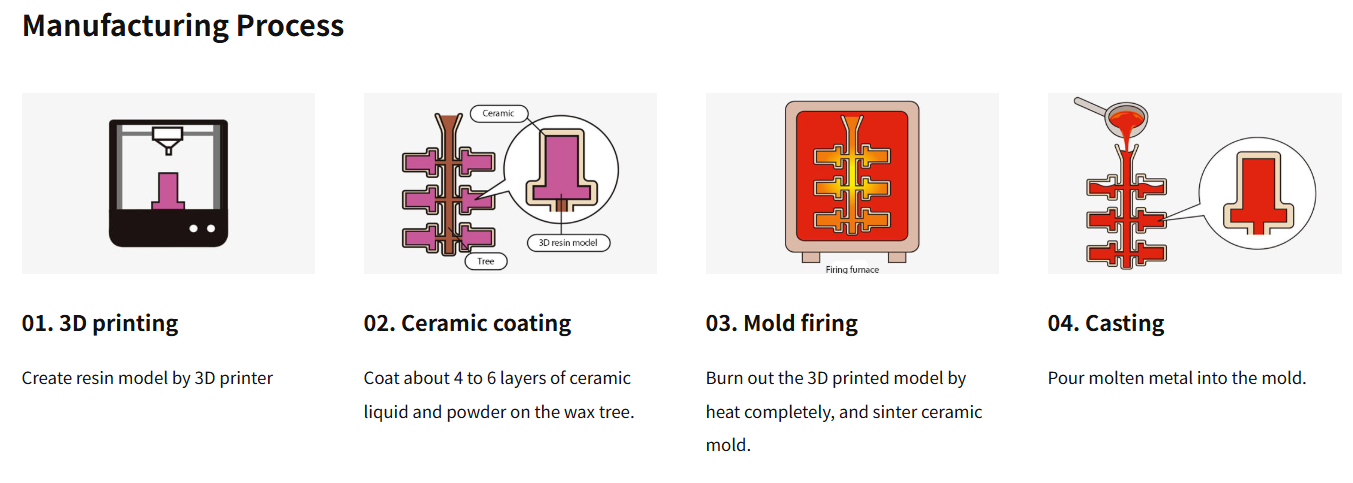
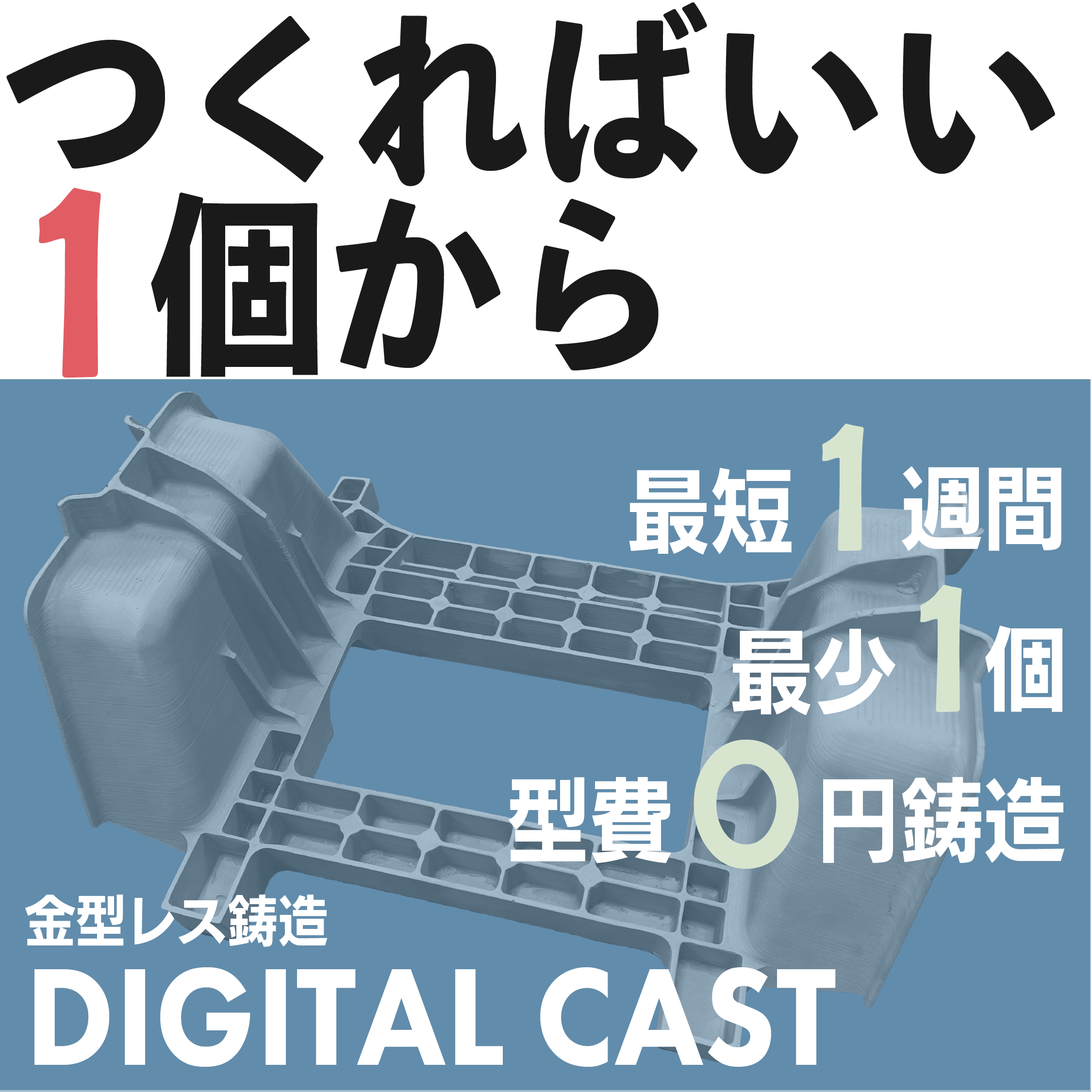
Digital Cast enables castings to be produced from a single piece without molds by directly utilizing 3D-printed models. It is ideal for prototyping, design verification, and ultra-small lot production, expanding the possibilities of digitally driven casting.
Digital Cast Special Page ↓
https://castem-digitalcast.com/
A New Form of Pearl Cultivation: Freely Shaped Pearls Created by 3D Printing (2022)
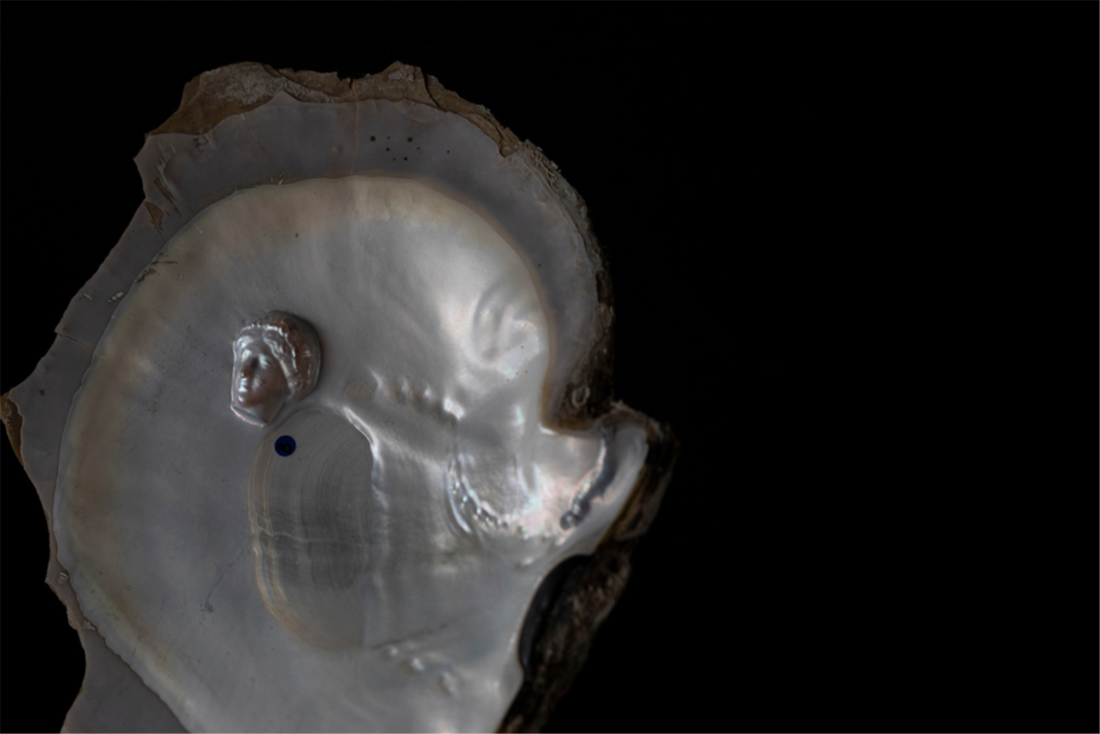
The shaped nucleus is adhered to the inner surface of a living bivalve shell. After the pearl layer forms, the nucleus is removed and resin is injected into the interior. The completed pearl is then mounted onto a base to create jewelry.
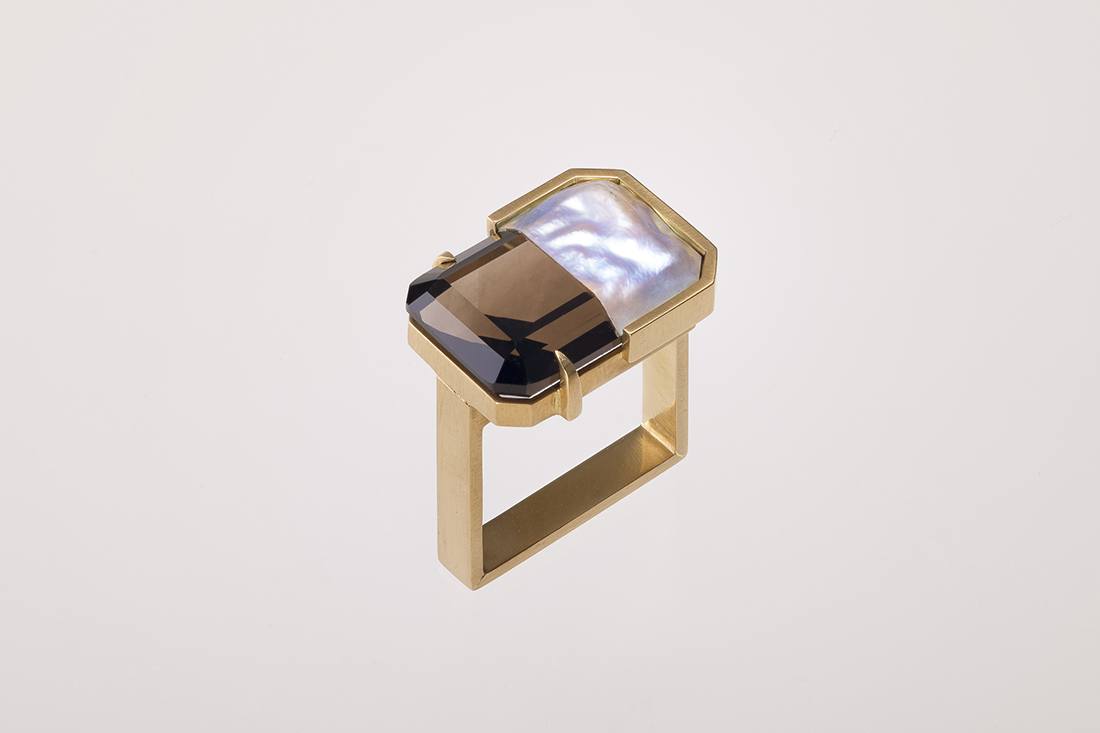
One of the brand’s signature lines, the “Light” series, is based on scanned gemstone data. A nucleus identical in size to the gemstone is formed, around which a pearl layer is cultivated. The pearl and gemstone are then precisely combined into a single piece. With its striking appearance, the collection has received high praise from international customers.
KOHKOH Online Shop ↓
https://store.kohkoh-jewelry.com/
Bringing Playfulness into Everyday Life: Spherical Insect Cages (2023)

Manufactured through plastic injection molding, these cages feature a mesh ventilation structure distributed across the entire sphere. This allows insects to perch or hide anywhere inside, making the design “insect-friendly.”

In addition to use as an insect cage, it can also serve as an interior object or candy container.
Iron Factory EC Site ↓
https://www.ironfactory-castem.com/
“Uchu-Sen”: The Origami Airplane Aiming for Space (2023)
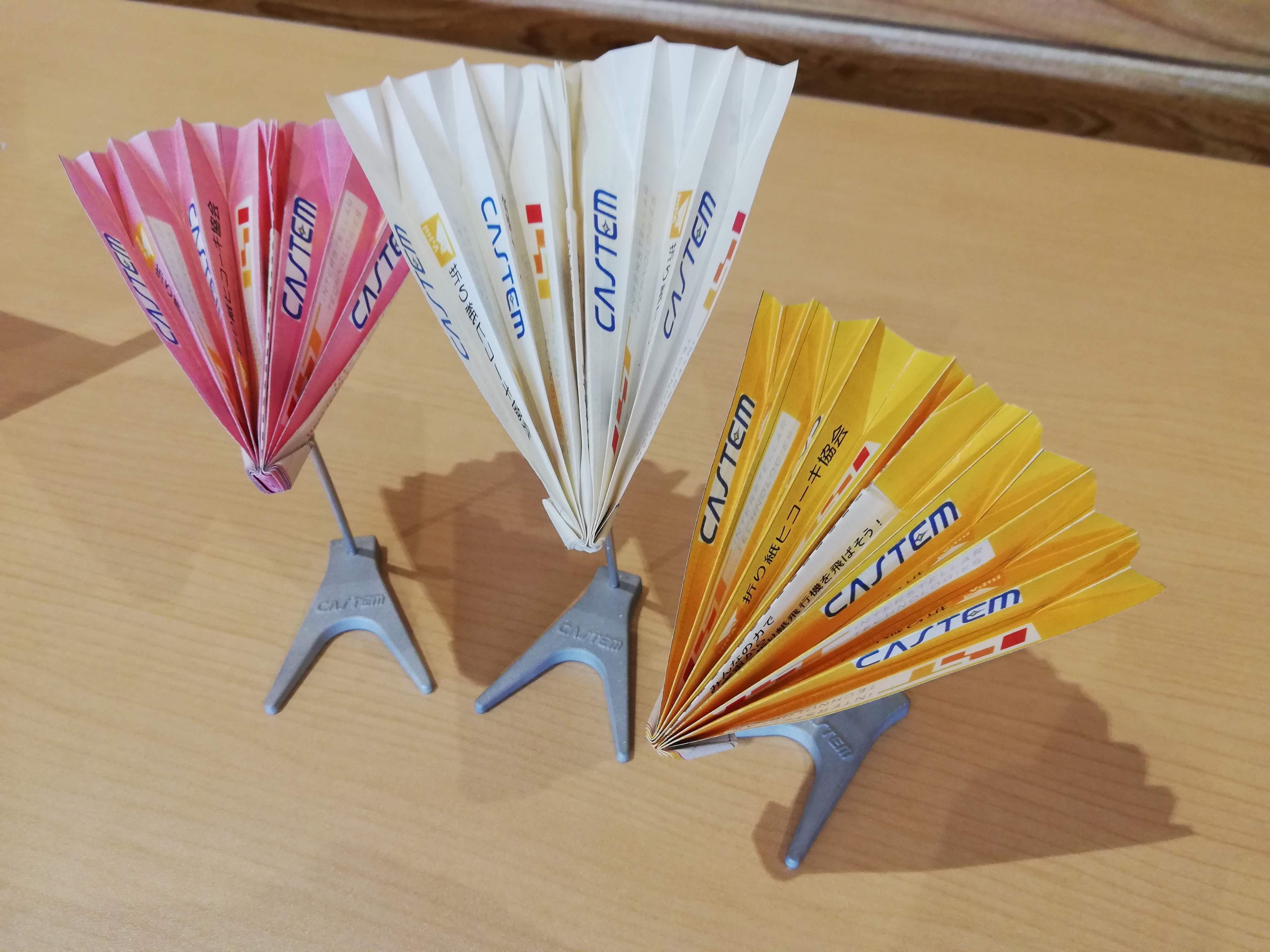
Named “Uchu-Sen,” this origami airplane features a fan-shaped structure radiating outward from the nose and includes a vertical stabilizer. It is made from a single square sheet of paper, without the use of scissors or clips.
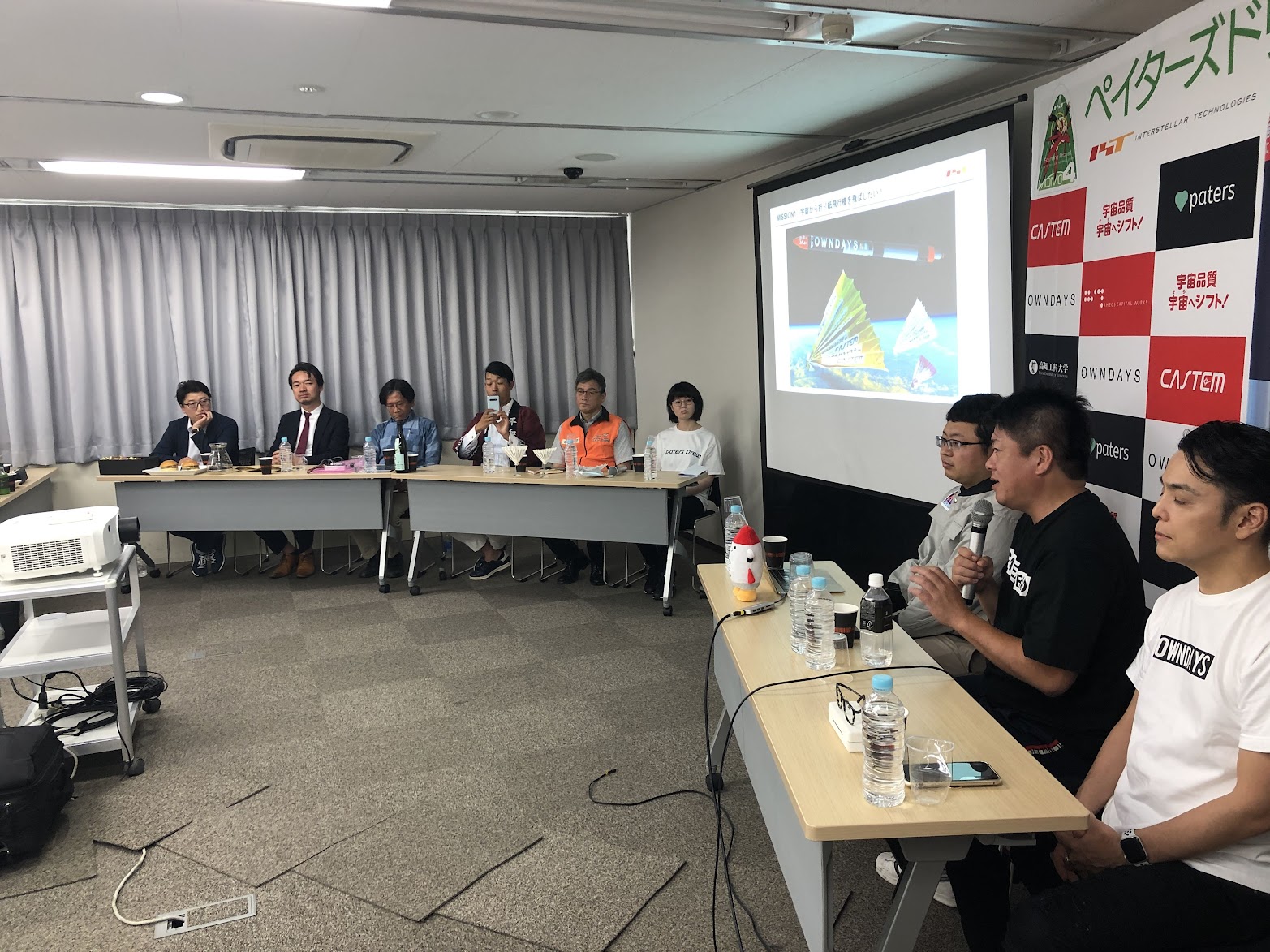
A similar aircraft is exhibited at the Paper Airplane Museum in Fukuyama City.
Other Patented Technologies
In addition to the patents introduced above, Castem has obtained patents for:
Athletic shoes with spikes and their manufacturing method (2016)
A method for manufacturing building reinforcement devices using lost-wax precision casting (2021)
A method for manufacturing metal products through electroforming (2021)
Mail items with information-concealment plates and their manufacturing method (2021)
Going beyond the boundaries of metal component manufacturing, Castem continues to create new value through a diverse portfolio of patented technologies.
For detailed information, please search for “株式会社キャステム.” on the Japan Platform for Patent Information (J-PlatPat):
https://www.j-platpat.inpit.go.jp/